Leanne’s Triple Negative Breast Cancer Story
Read Leanne’s TNBC story, where she shares how she was diagnosed, what treatment was like for her, and how support from her family, friends and online communities helped her through. She also talks about how her passion for makeup gave her something positive to focus on and inspired her to support others affected by cancer.
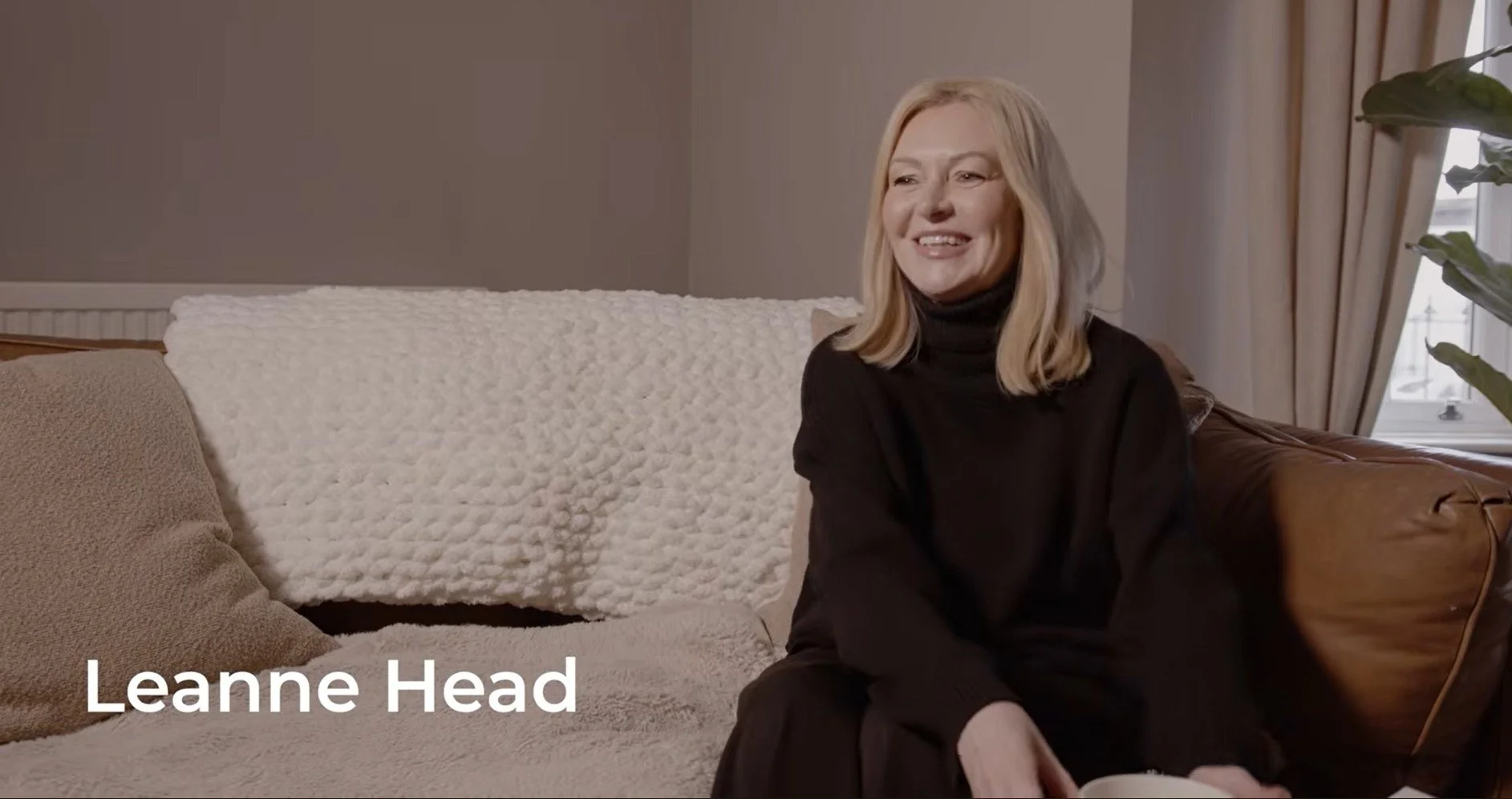
About Leanne
I’m Leanne, a professional makeup artist. I live in West Yorkshire with my partner and our 11 year old son.
Before my diagnosis, I never thought I would get breast cancer. I didn’t know much about the different types of breast cancer, and I had never heard of triple negative breast cancer before.
Noticing something felt different
I first noticed cysts that felt different. I contacted my GP and was seen the same afternoon. I then had an appointment at the breast clinic around two weeks later. At the appointment, I was examined, had a mammogram and had biopsies taken.
When I went back in to speak to the consultant, there were nurses in the room too.
I felt like I already knew.
“When they told me it was breast cancer, I couldn’t really remember anything after that. It was like that loud ringing you see in films, where everything around you fades out.”
The first thing I asked was: “Am I going to die?” My son was only 11, and he was the first thing I thought about. I was so scared.
The doctor told me no, they could treat it because they had caught it early. But at that point, they didn’t yet know what type of breast cancer it was.
Finding out it was triple negative breast cancer
After being told it was breast cancer, I had to wait around two weeks to find out what type it was. That wait was horrendous.
Your mind goes everywhere. You start thinking about treatment, whether you’ll need chemotherapy, whether you’ll lose your hair, and all the other life-changing questions that come with it.
When I went back to the hospital in March 2025, I was told it was triple negative breast cancer.
I didn’t know anything about TNBC before I was diagnosed. I didn’t even know there were different types of breast cancer, so it was a lot to take in.
I had an appointment with an oncologist four days later, and waiting for that was really nerve-wracking.
When chemotherapy was first mentioned, I was scared about losing my hair. I didn’t want to “look ill”. That was one of the things I found really hard to think about at the beginning.
Telling my loved ones and how they supported me
I told my mum, dad, partner and sister first.
One of the hardest things was thinking about how I was going to tell my son. I wanted to know exactly what my treatment plan was going to be before I spoke to him, because I needed to be able to explain it to him properly.
My family was amazing. My mum and sister helped cheer me up during chemo and helped around the house, with my dogs and with my son.
When I was diagnosed, my dad instantly retired so he could support me. Then, a few weeks later, he was diagnosed with cancer himself. He had oesophageal cancer.
There were times when me and my dad were sat in the same ward having chemo at the same time. It was bittersweet. On one hand, we had each other and we could support each other. But on the other hand, you never want to see someone you love going through cancer too.
When we felt okay, we would go on walks together. We could chat, vent and use our sense of humour to get through it.
My friends were amazing too. Friends I had lost contact with got back in touch, and they all chipped in to buy me a hair topper, which I wouldn’t have been able to afford otherwise.
Going through treatment
I had a really good oncologist. She was very straight to the point. She said to me: “You’re going to hate me. I’m going to put you through hell with the chemo, but I’m going to get you where you need to be.”
And she was right. Chemo was the hardest part of my journey. Other parts of treatment were tough too, but chemo was definitely the hardest for me.
I chose to cold cap during chemotherapy because my hospital offered it. I had heard stories that it wouldn’t work or that it would be painful, but personally, I found it okay. I did lose some hair, but I didn’t lose all of it. If hair matters to you and cold capping is available, I would recommend asking about it.
The chemo nurses were angels. They had so much time for everyone. They were always so lovely, never grumpy, and they really did brighten people’s days.
I also had an allocated breast cancer nurse, Fran, who was there whenever I needed to ask things like, “Is this normal?” or “Is this okay?” Having someone you can contact like that makes such a difference.
My active treatment finished on Christmas Eve, which felt like a really nice Christmas present.
After that, I started immunotherapy with pembrolizumab in 2026. I did develop inflammatory arthritis during immunotherapy, which was treated with steroids.
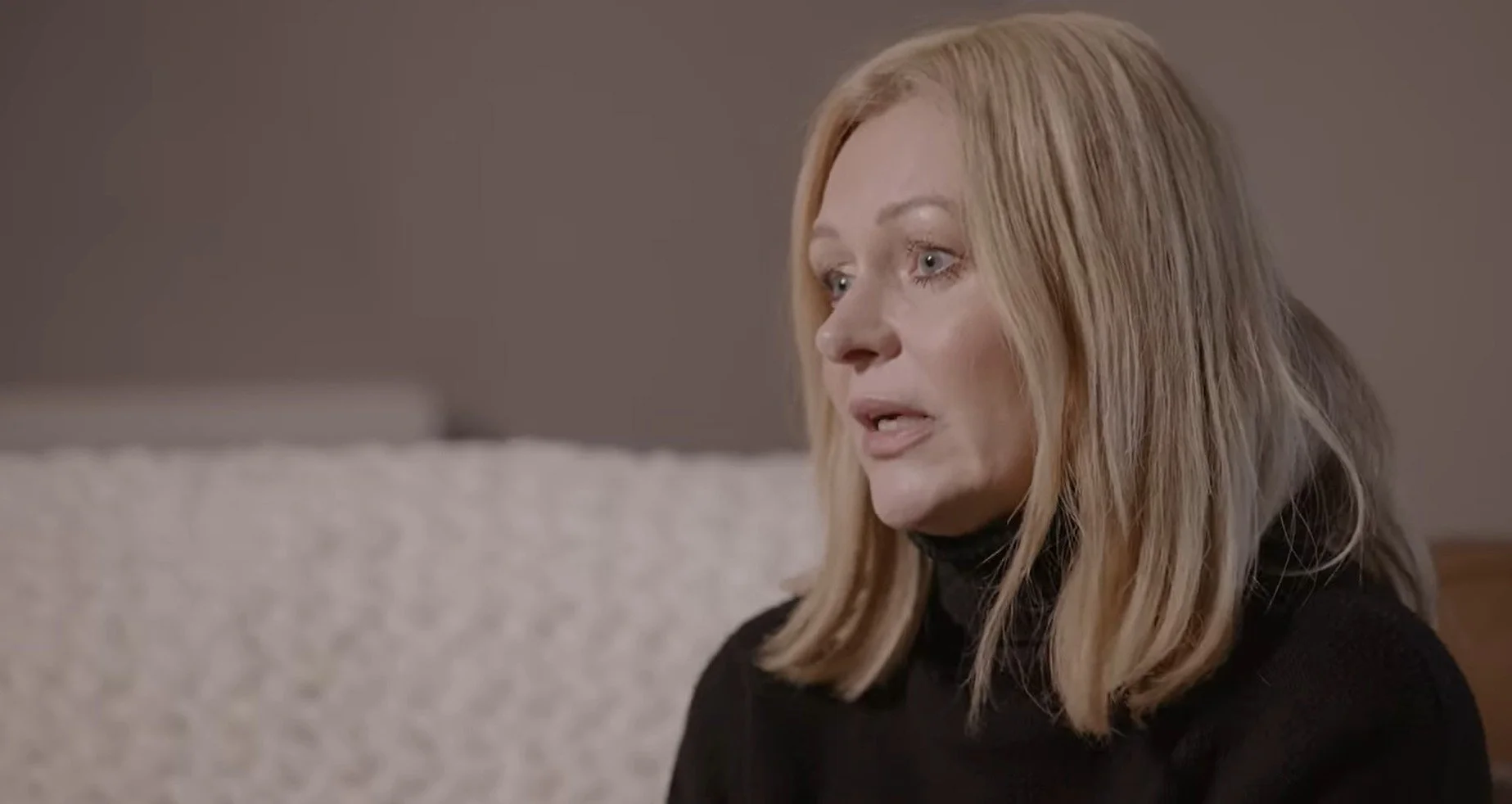
Finding people who understood
When I was first diagnosed, I went to social media, specifically TikTok, to try to find people like me.
At first, I felt like I was sent into a world of despair, because a lot of what I saw was really negative.
Then I started to find people who were more positive and who helped me keep focused. That inspired me to start sharing my own journey too.
I know how horrible chemo is, but I also felt that going online and only seeing the most frightening parts wasn’t going to help everyone’s journey. I wanted to share as many of the positive things as I could too.
I filmed parts of my treatment and my time in hospital because I wanted to connect with people who were going through the same thing.
Through TikTok, I met amazing people. There are whole communities of women supporting women, and I found that really helpful.
Finding myself again and helping others through makeup
Makeup was already a big part of my life before my diagnosis. I was self-trained and self-employed as a makeup artist.
When I was diagnosed with cancer, I had to cancel a lot of work I had already been booked for. Cancer could have stopped everything for me, but it actually gave me a new mindset. I became more determined.
Even when I was going through chemo, on the days I felt okay, I focused on my passion and did training to become officially qualified as a makeup artist. It gave me something to focus on.
“When you go through chemo, you do lose yourself a bit. Your eyebrows, eyelashes, hair and even your face shape can change. You can look in the mirror and not see the person you were before.”
For me, makeup became a way to feel a little bit more like myself again.
Once chemo and surgery were finished, and I was feeling a bit better, I wanted to help other people going through something similar. I knew what it felt like to look in the mirror and not recognise yourself, so I wanted to give something back.
That’s why I started offering free makeup sessions to people affected by cancer, to help them feel a little more like themselves again.
Life after treatment
I have now completed my TNBC treatment, including chemotherapy, surgery and reconstruction, radiotherapy and immunotherapy.
Looking back, I never thought I would get breast cancer. Now, if I can help raise awareness of TNBC and encourage people to check themselves, that means everything to me.
My advice for someone newly diagnosed
If you’ve just been diagnosed, you might be thinking, “What is happening?” or “How am I going to cope?”
One of the biggest things I would say to anyone going through something similar is: try not to focus too much on the negative.
“There will be dark days, but not every day is dark.”
Chemo days are tough, but not every day is spent in bed. When you come out of the side effects, there can be days when you feel okay, see friends or do jobs around the house. It’s not all doom and gloom.
For me, makeup brought me joy. For someone else, it might be something completely different. But finding something that gives you a bit of focus can really help.
For me, another big thing was gathering people around me who wanted to help.
Don’t be too proud. Let people help you.
The people around you want to feel like they can do something. Everyone alongside you on your journey wants their place and their role. You need people to stand with you throughout it.
If support groups aren’t your thing, social media can be a good place to find people who understand. I found it helpful to follow people who were inspirational, like-minded and positive. Having that connection with other people made me feel less alone.
I would also say to be careful with things you love on chemo days. There might be foods, smells or clothes that start to trigger you afterwards. Don’t wear your favourite perfume, eat your favourite food or wear your favourite clothes while having chemo, because you can build negative associations with them.
Most of all, remember that your story is your story. Try not to compare it to anyone else’s. Everyone’s experience is different
Feeling less alone with TNBC
Leanne’s story is one person’s experience of triple negative breast cancer, but many people may recognise parts of what she shares: the shock of diagnosis, the fear of waiting for results, the impact of treatment, and the importance of finding people who understand.
By sharing her story, Leanne hopes to help others feel less isolated and to show that even during an incredibly difficult time, there can still be moments of support, connection and hope.
If you have been diagnosed with TNBC, or you are supporting someone who has, The UK Charity for TNBC has information and resources to help you feel more informed and less alone. You can also connect with others through the charity’s online forum, explore other TNBC support resources, or join the Patient Advisory Panel to help drive change in TNBC awareness, treatment and care.