Charlotte’s Triple Negative Breast Cancer Story
Read Charlotte’s TNBC story, where she shares how a painful lump led to her diagnosis and how treatment, managing side effects and finding purpose through walking, cycling and blogging shaped her experience. Charlotte talks about telling her children and how sharing her story and connecting with others helped her feel less alone.
About Charlotte
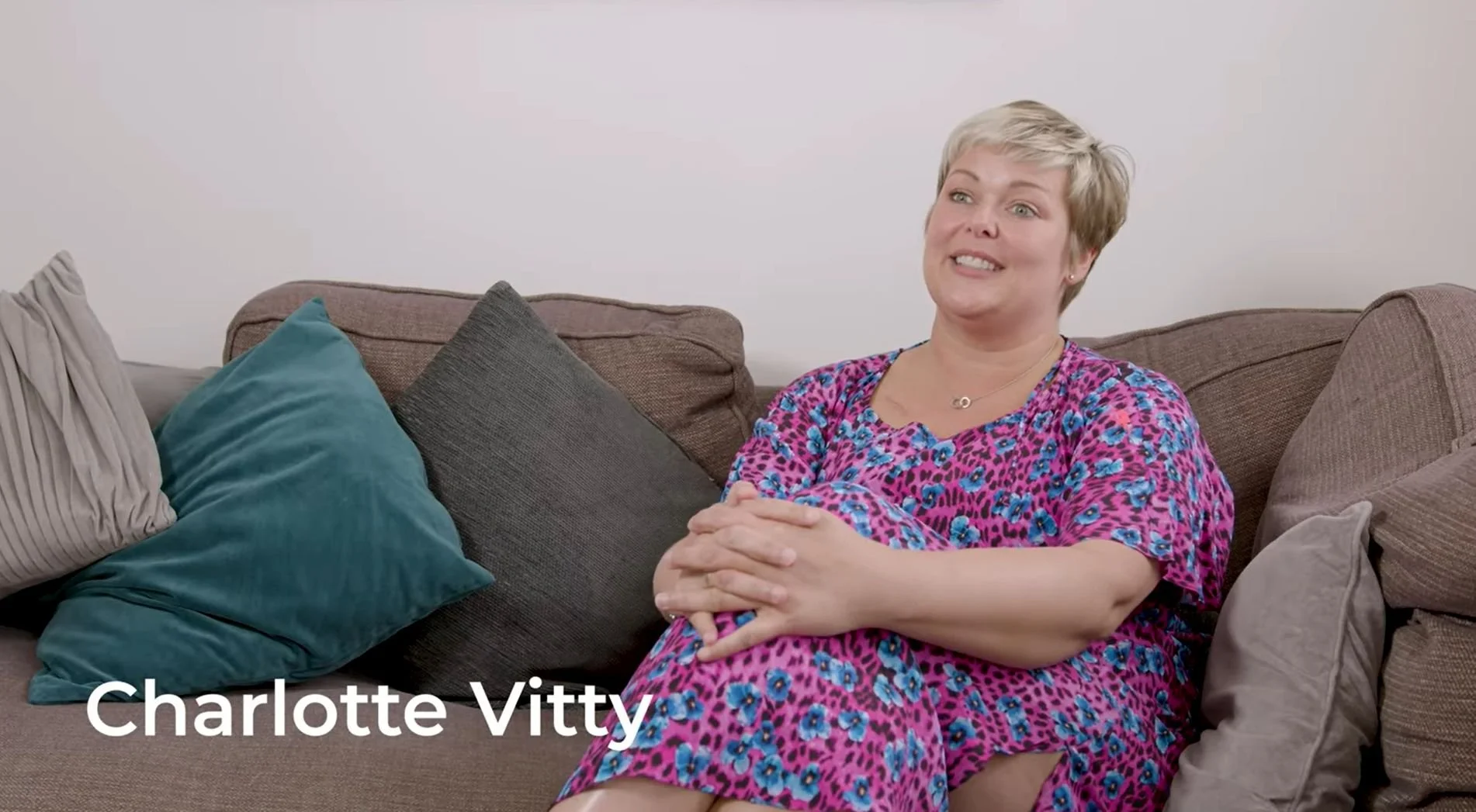
I’m Charlotte. I work with the NHS and I’m a mum of two boys, aged 10 and 13, and I’m partner to Tony.
I was diagnosed with triple negative breast cancer on 16th May 2025. It came completely out of the blue. I had no symptoms until the lump was found and because it was so painful, I didn’t imagine it could be breast cancer. So to be diagnosed with TNBC was a huge shock.
Finding a painful lump and getting checked
The first time I noticed something was wrong, I was getting into bed. I put my arm around my partner, Tony, and he put his arm around me. At the same time, we both touched a lump near my arm. It was incredibly painful.
At that stage, I knew I needed to get it checked, but I wasn’t especially worried. It felt more like something inflamed, almost like a massive insect bite.
I rang my GP the next day, and they were unbelievably quick. I saw the nurse that same morning. The lump was so tender that she couldn’t really touch it, and she said she would refer me to the hospital.
The next day, I mentioned it in passing to my boss. He said: “Why are you waiting? We have private healthcare through work.”
So I called and within less than 24 hours I was at my local private hospital, sitting in front of a consultant.
I had a mammogram, scans and then biopsies. At that point, I was told the scans were being done to eliminate the chance of it being cancer, but during the ultrasound, they couldn’t say for certain that it wasn’t anything sinister.
An appointment was made for the following week. During that time, I carried on with life and didn’t think too much about it.
Being told it was breast cancer
On the day of the next appointment, Tony met me at the private hospital. The appointment was at 4:30pm on a Friday. The waiting room was unbelievably busy.
Tony and I tried to prepare ourselves. I’m a bit of a planner, so I said there were two scenarios: it either was cancer, or it wasn’t. Either way, we would have questions.
Tony said: “Well, we don’t have to worry about that, as it won’t be cancer.” I remember him saying that as clearly as if it were yesterday.
Then we went in and sat in front of the consultant. They gave us the news in the best way possible. They ripped the plaster off and said: “Unfortunately, the results have come back as breast cancer.”
The pause after that sentence felt like a lifetime. The silence was deafening.
I didn’t cry straight away, but Tony was incredibly upset and broke down. My brain went straight to the questions we had thought about in the waiting room: what’s next, what does this mean and what do I do now?
Before I went home, they took me for blood tests. That was the first medical intervention after being told I had cancer, and I remember realising there is a particular silence you feel when you are having tests or treatment.
Before cancer, you could sit in a room by yourself in silence. But after being told you have cancer, the silence feels different. It feels painful. I will never forget that first blood test. I sat there with tears rolling down my face. I wasn’t quite crying, because I don’t think I even knew exactly what I was sad about yet.
Waiting for answers and finding purpose
The team at the hospital were very helpful. They understood that you can’t take in lots of information at once, so they didn’t give me too much verbally. Instead, I went home with a huge pile of paper.
It covered different cancers and treatments. They give you everything, and it feels a bit like a treasure hunt to find what is relevant to you, if you are brave enough to open the front cover.
After the appointment, I phoned my friends to tell them what I knew, which wasn’t very much. I think that is one of the hardest parts of the process. You don’t know much, and you don’t know much for some time. You just have to wait.
That is something I’ve learned throughout my journey: the art of patience. I don’t think I have mastered it at all, but you have no choice.
The next 48 hours were really tough. I had this pile of paper I couldn’t bring myself to read, and I didn’t dare Google anything because I knew I would find dreadful things. I would recommend that nobody uses Google as their first way of informing themselves.
I didn’t sleep much. In the early hours of Sunday morning, I found a little bit of myself again. I am a real fixer, and it dawned on me: why am I in my head trying to solve the fact that I have cancer? I can’t fix that. So I asked myself: what can I do?
“I decided I would play to my strengths. I wanted to be proactive in my own journey and purposeful in how I took part in everything that was happening.”
Because I work with the NHS, I thought that if I couldn’t find somebody in my network who could offer advice or help, then no one could. At 5am, I messaged a dear work colleague. She called me that morning.
She had had TNBC six years earlier. She had been the same age as me, with children around the same age. She told me things only somebody who has lived it can tell you, and that made a massive difference.
She helped me prepare for what was coming and also helped me find the best route for treatment. The hospital I was already seeing had been incredibly quick, and I don’t fault them at all, but I was able to get in front of the consultants at The Royal Marsden by the Wednesday.
Looking back, that was the moment I really understood the power of community.
Receiving a complicated TNBC diagnosis
Things moved very quickly. I don’t think you can really prepare yourself for how fast the journey is.
I was having scans and tests, and the hardest part was that every time I went back in, they seemed to find a little bit more.
They had found a 5cm tumour in my right breast. Then they found a node next to it, which was about 1.5cm.
When I saw the oncologist at The Royal Marsden, he explained that he wanted me to have a full PET scan. That was the point where I became really scared, because I knew that if they found anything further away, it could change everything.
Thankfully, although the PET scan found another area, it was only under my collarbone. I was diagnosed with stage 3C TNBC.
Things then became more complex.The oncologist said they might need to check the original biopsies because the newer results suggested a different cancer. In short, all of my nodes were HER2 positive, while my 5cm tumour was 70% triple negative and the remaining 30% around the edge was HER2 positive.
It was changing across the tumour, and the oncologist described me as highly unusual.
It was difficult because they struggled to give me a clear answer about what treatment would look like. The answer was: “We’re just going to have to wait and see how you respond.”
That was really hard.
Telling my children I had cancer
I can’t imagine any parent disagreeing that telling your children you have cancer has to be one of the hardest conversations you will ever have.
I have always had very honest conversations with my children, whatever their age, but it is important to use words they understand. That is hard when something is as complex as cancer.
There is a part that stings because, once you say, “I’m really sorry boys, I have to tell you I have cancer,” that will never leave their lives. You know that, in that moment, you are saying something you can never un-say.
I tried to think about what would be scariest for them. I wanted to make sure that, very early on, the first thing they understood was that I was not dying. If you can take away that fear quickly, it changes the conversation.
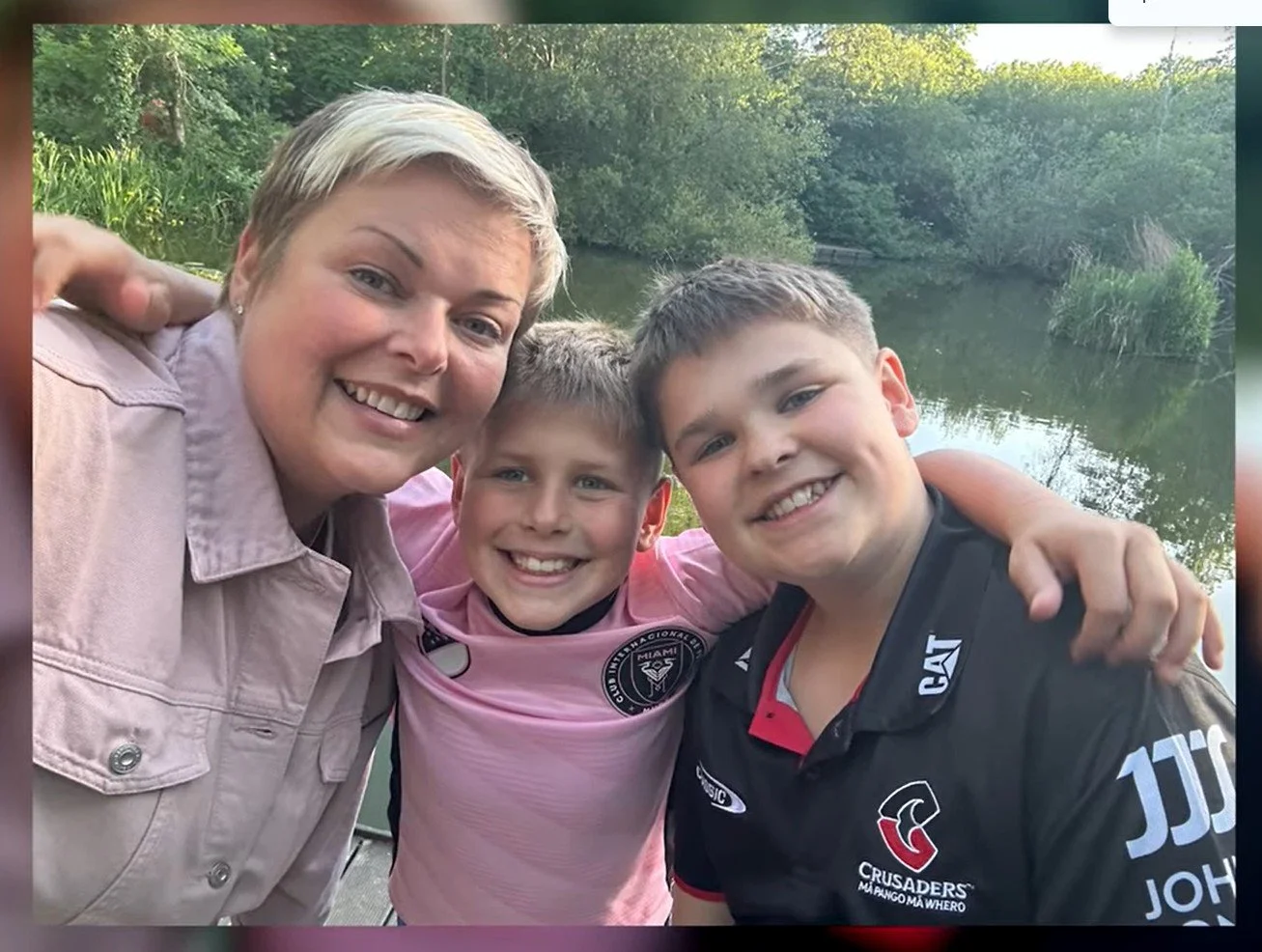
It was still unbelievably hard. I was lucky to have Tony and the boys’ dad there with me when I told them, because I wanted them to know they had a wider support network than just me.
My eldest, who was 12 at the time, processed things more quickly and had a lot of questions. For the next few days, it felt like he was going through the grief of that news and asking me everything he needed to ask. I tried to answer as honestly as I possibly could.
My youngest could not process it all for a few weeks.
We were lucky that their schools were part of the support network. I spoke to the school before I told the boys, so they were prepared. I would encourage other parents not to keep their support community limited to close friends and family. If you have young children, share it wider so the people around them can catch them when they need catching.
A few weeks later, my youngest’s form tutor noticed he was quieter than usual and asked him a question at just the right time. He opened up, shared how he was feeling and asked lots of questions. Because we had shared everything with the tutor, he could answer accurately and support him properly. That changed everything. After that, my son found his voice and began asking me questions.
My boys have loved finding the little things they can do to help in some small way. While being strong and putting on a brave face can feel important, sometimes sharing a little bit of your struggle and letting people help means more than you realise.
The hardest thing for me with the boys is that, while I may have the physical scars from cancer, the mental scars run very deep across the whole family.
They have been incredible, but I do sometimes wonder whether I took a little bit of their innocent childhood away. All you can do is be as honest as you can and share the journey with them.
Starting treatment
I was told I would have 12 rounds of weekly chemotherapy, then change chemotherapy, and then have four sessions every three weeks of a chemotherapy known as the “red devil”, which is a lovely name to hear.
For the first 12 weekly sessions, I would have two chemotherapies at the same time: carboplatin and paclitaxel. I was also going to have immunotherapy every three weeks.
My oncologist was brilliant. He said: “I want you in chemotherapy as soon as we can because you have TNBC and it is aggressive. Therefore, we need to behave aggressively against it.”
On the morning of my first chemotherapy session, which was just nine days after my first appointment at the Royal Marsden, I had a port put in.
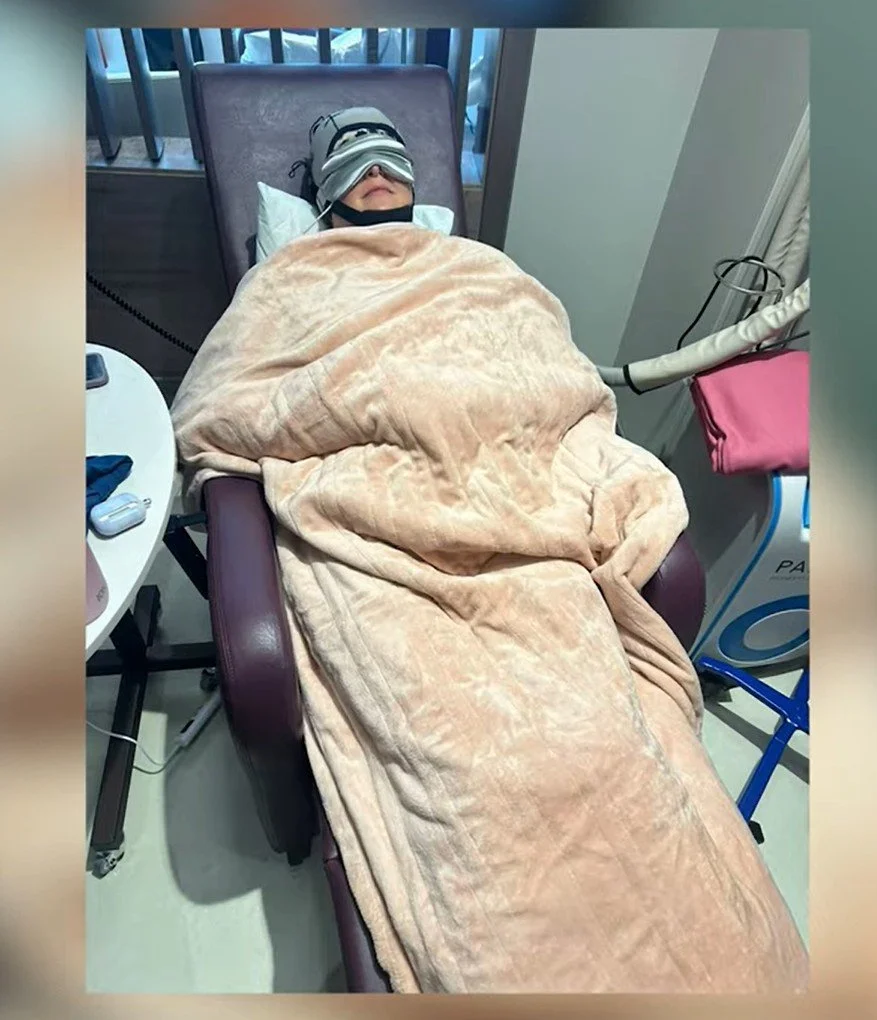
Some people have a port in their chest, but I chose to have mine in my arm. For me, that decision was about my children. I cuddle my boys a lot, and I knew this port was going to be with me throughout treatment. I didn’t want something in my chest to get in the way of how we love each other or become a constant reminder for them every time they came close to me.
The port was an amazing intervention for me. It meant I could have treatment really quickly and virtually pain-free. It did take a while to get used to knowing something was inside my body. But once I got used to it, I realised I wouldn’t be without it.
I would recommend people explore the options that might make treatment easier for them. You are in the unit long enough, and treatment is hard enough, so if there is a way to make any part of it more manageable, it is worth asking about.
My first chemotherapy session
I felt like a rabbit in headlights. We were so underprepared. We had no idea what we were going into, and we had nothing with us that was vaguely helpful. But I did have a cuddly seahorse that my son had given me as a little cheerleader.
The nurses were amazing. They helped me fit my cold cap, gave me painkillers and helped me get through it. What I realise now is that nurses can only explain things from their perspective. They can’t give you the real lived experience.
I did cold cap. I think I expected it to feel like a small ice cube, but it was awful. Anyone who has done it will know. But I did it for all of my sessions because it was important to my youngest son. Me losing my hair scared him.
The first chemotherapy session went okay, but I think we sat there waiting for something dreadful to happen.
The reality of cancer treatment
At first, I sat waiting for this terrible illness to strike. Then the day went by, and two days went by, and I thought: “Woah, I think I’m alright.” Then maybe around day three or four, I would start to think: “I don’t feel alright, but I’m not terrible.” It wasn’t until around chemotherapy session four that things really started to bite.
“You can waste a lot of time sitting and waiting to feel poorly. You will spend enough of your time being poorly, so make the most of the times when you are not.”
Treatment every week meant cancer started to become a big part of every day. It became all-consuming. You can start to lose your identity and become someone who has cancer. I really fought against that.
I wasn’t good at resting, and even my oncologist said that. I was determined to go away with my family over the summer, even though I knew I wasn’t very well. Looking back now, we laugh about it because it probably wasn’t the best decision.
We went to Cornwall for six days. Although I didn’t feel well, I wanted to give my family a break. I wanted them to feel like we could still have some normal time.
Managing treatment side effects
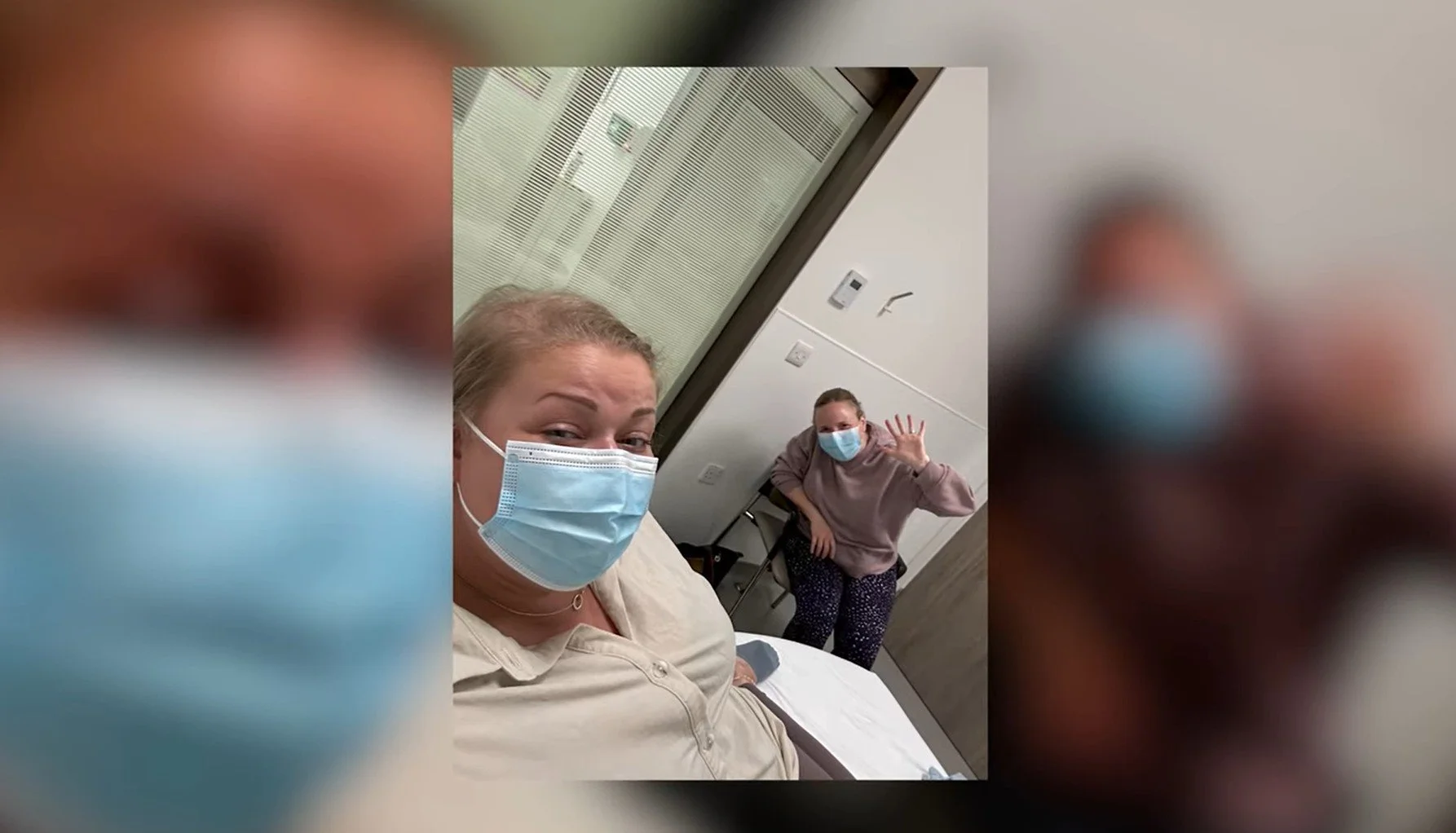
One of my biggest challenges was temperature management during treatment. The first time it happened was the day before my birthday. I had treatment, came home, and a couple of hours later Tony said: “Your eyes look really red.” Within two or three hours, my temperature had gone up quickly. We panicked and dashed into A&E.
I kept getting hotter, and I was told I was going to be put on sepsis treatment because they couldn’t wait for results. As soon as someone says the word “sepsis”, you go to the worst-case scenario. I thought: this is it, I’m going to die. I started writing my own will in the notes on my phone. It is funny, the things you do when you are in panic.
A lovely person from the cancer team came down to speak to me, and what I really recognised was the time she gave me. She wasn’t in a rush. She knew reassurance was what I needed.
I woke up in hospital on my birthday, but by then my temperature had started to come down. I was discharged, and we still managed to go away for a little break, which was lovely.
That A&E visit was really my first interaction with what the treatment was doing to my body. Treatment is there to help you, but it doesn’t half make you feel like it is killing you at the same time.
Several times throughout the last year, I have said: “Why does winning feel so much like you’re losing?” Because that is exactly how it feels in some of the really difficult moments.
After that first temperature spike, it happened every week. We had ice packs, paracetamol and fans everywhere. Eventually, we reached an agreement with my oncologist that I would take paracetamol for 24 hours after chemotherapy. If my temperature spiked after that, I would go to A&E.
I also started getting allergic skin reactions from the immunotherapy. The worst outbreak was the day after Halloween, which felt badly timed as I would’ve looked the part if it was a day earlier. I had huge blisters all over my face, and these things really do give you a kicking when you are already at your lowest.
A strong early response to treatment
After six weeks, I went for my first scan. I don’t know exactly what I was expecting, but I was hoping for some shrinkage.
The radiologist doing the scan struggled to find my tumours because they had shrunk so much. I still get emotional remembering how that felt.
My 5cm tumour had shrunk to less than 1.5cm in six weeks. The biggest node was probably less than 1cm. The areas under my collarbone looked so different that the radiologist said if they were scanning me without knowing my history, they wouldn’t necessarily say they were cancerous.
My oncologist told me I had had the best response they could ever have asked for.
That was marvellous.
But there was no change to the treatment plan. Even though there had been an amazing response, I still had cancer. So I was delighted, but I was also still facing a long journey.
Walking towards surgery
I did chemotherapy for 11 weeks, and by that point even the energy of crying was too much. I could hardly do anything.
Then I thought: I have double breast surgery coming up in December. I can’t even get out of bed. I need to be in a better way and in better shape to get to surgery.
So I decided to do a walking challenge: 50 kilometres in October. I also decided to raise a bit of money to motivate myself, and I raised around £5,000.
That showed me the power of my network and what support really means. It made me realise there was an army of people out there coming forward and supporting me.
I decided I would not walk alone. I wanted to walk with people who were part of my support crew and wider network. I put out a request asking who would like to walk with me. I could probably have walked 5,000 kilometres with the number of requests I had.
The more I connected with people, the more I wanted to do more. It got me hooked. It got me outside and talking again.
I decided I would ask people three questions during the walks. I didn’t want every walk to be about me having cancer. I had talked about cancer enough. I wanted to know about other people and what I had missed from their lives.
I would ask things like: what is your biggest challenge right now? Then I would end with: tell me the happiest memory you have from the last year.
I heard so many stories, and we always ended up laughing and smiling by the end.
By the time I had surgery, I felt like I had got myself into the best place I possibly could.
Being told I had no active disease
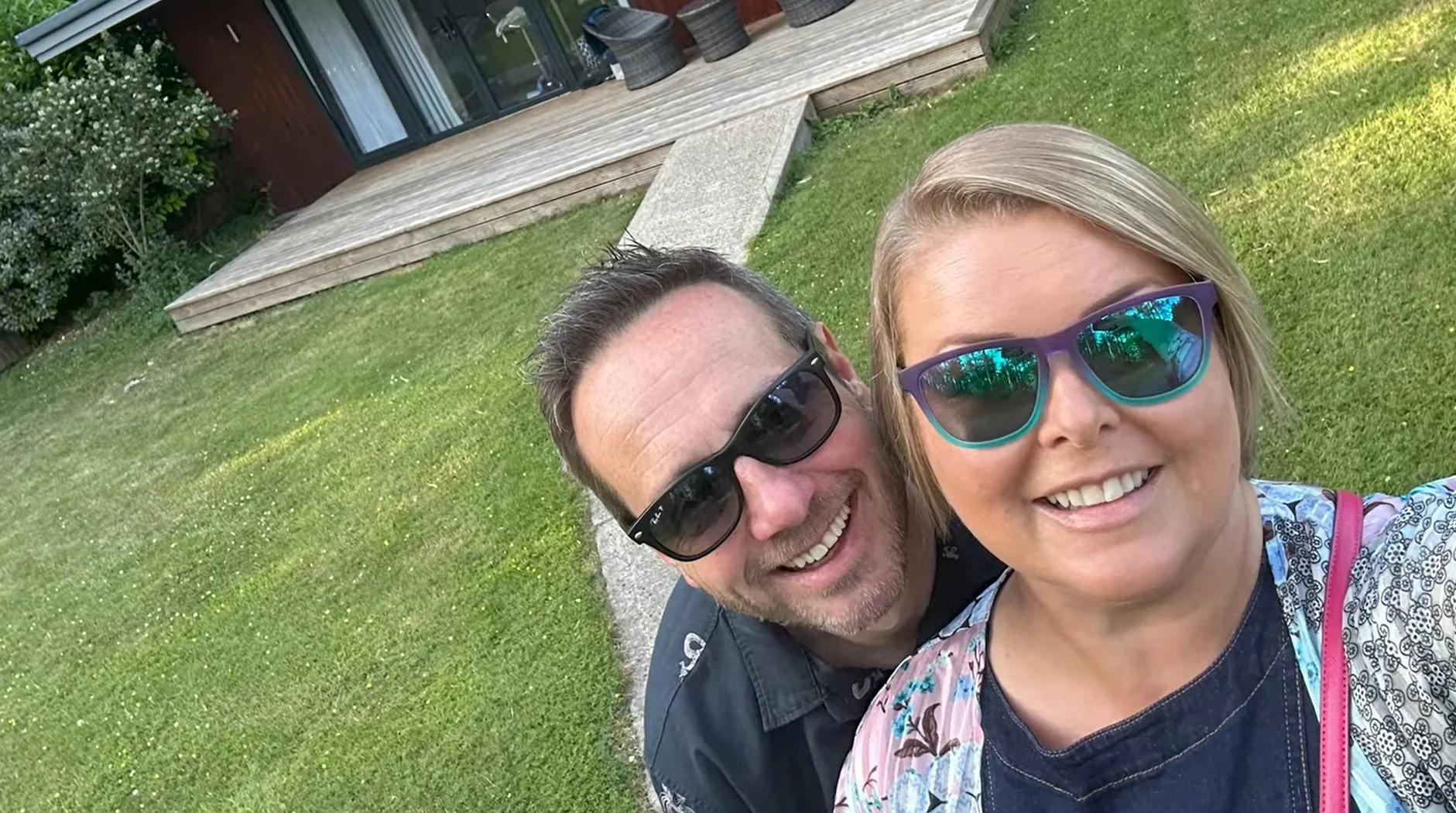
At the end of December, after my surgery, I was told that all the biopsies showed I had a 100% complete positive response and no active disease.
People who have had cancer will know that they do not usually say “you are cancer free”. They say no active disease.
It was incredible news. There was still a lot ahead, including treatment, but it felt like I had reached an important point.
Moving into Charlotte version 2.0
Coming into January and the new year, I started thinking about what came next.
My old rugby team messaged me to say they had signed up to Ride The Night for breast cancer and would love me to be at the finish line when they came back.
I thought: I don’t want to just stand at the end. I want to do it.
I signed up for 50km at first, but then felt like that was a bit of a half job, so I signed up for the full 100km, even though I had not been on a bike since I was about 12.
Cycling gave me a reason to get out and do something, just like walking had. I was also clear that I wanted to start phasing back into work and go back stronger: a positive, healthy Charlotte version 2.0.
“It wasn’t just about rehab from cancer. It was about stepping strongly into a new version of me and a new life. Cycling took on a huge role in my recovery. It got me outside, into fresh air and into nature.”
Twelve of us did the 100km cycle together, from Windsor into central London and back again.
Bizarrely, the whole cycle felt similar to my cancer journey. You start off naively, pain-free, in the sunshine. Then you cycle into darkness. You experience pain and isolation when you are on your own, but around you there is an amazing support crew. You are covered in fairy lights, giving you glow, light, fun and joy as you go. It gets cold and dark, and then you start to cycle towards the end. The sun comes up, and you cross the line and think: oh my gosh, I’ve done it. Crossing the line after 100km was incredible. It felt like an ending and closure, but also like the start of what comes next.
Whether it is cycling, walking or something else, my message is: don’t lose purpose. Cancer takes away so much from you. Don’t let it take away your purpose and what you are all about.
Sharing my story through blogging
I also blogged throughout my treatment.
I didn’t do it because I wanted people to think, “Oh gosh, she’s got cancer.” I did it because I have always lived a people-rich life. People are very important to me, and my profession is full of people. When you disappear off the face of the planet, people naturally wonder what has happened. It also gets tiring explaining the same thing over and over again.
So I blogged to tell people what was going on. I wanted to give the facts, be open and honest, and share how it felt in a personal way.
I was used to using LinkedIn, and because so many of my colleagues and work connections are part of my life, it felt like the right platform.
The response was unbelievable. There were public messages, private messages, voicemails and WhatsApps. What came across so loudly was that I should never feel alone, because I wasn’t alone.
I don’t think sharing made me brave. I was just being me and being honest. But the power of sharing your story is that it allows other people to share theirs.
There were people I had worked with or known for a very long time who I did not know had cancer. I felt honoured that they now felt able to share their stories with me, but also a little sad that I had not known before, because I had missed the chance to support them.
Blogging became cathartic. It helped me get everything out of my brain.
It also took away a lot of the awkwardness of cancer. When people see you and ask, “How are you?”, they can suddenly panic and think they have said the wrong thing. The blogs helped people know what was going on and gave them something else to talk about.
Because I was sharing what I was doing, people could see that cancer had not taken away my life and had not taken away me. I was still there.
If the blogs have helped even a handful of people, that means so much.
Finding The UK Charity for TNBC
I came across The UK Charity for TNBC a little bit by chance.
At the beginning of the journey, you are overwhelmed with information. It feels like a treasure hunt. There is so much about cancer generally, but when you have TNBC, you have to find the specific gems that are relevant to you.
I found the US TNBC Foundation first, and through a partner link on their website, I found The UK Charity for TNBC. I then joined the Patient Advisory Panel.
I wish I had come across it earlier.
I am looking forward to being a bigger part of it, finding a community where we can help and support people, and helping grow understanding of this particular cancer.
What I have learnt
Before cancer, messages about being kind to yourself did not really connect with me in the same way. Now, having gone through it, I understand what that means.
More importantly, I think you have to believe in yourself.
Very early on, a nurse said to me: “Your positive mindset will be your biggest asset going through this. Don’t underestimate how much that’s going to help you.”
I have always been a positive, can-do, will-do person. At the time, that sentence came alongside so many medical sentences that I didn’t really take it in.
But after sitting in a cancer unit almost weekly for a year, I can see how important mindset is. I’m not saying people’s outcomes are different, but I do think their journeys can feel different.
Cancer is all-consuming. It can swallow you up in a dark way. You have to cling on to moments of light. Believing in yourself might mean doing the smallest thing, like getting up and having a shower. If that is the thing you did that day, do not lose sight of it.
This will end. You will come out the other side.
The medical profession has made unbelievable advances, both in how treatment is given and in how effective treatment can be. It is more than hope now. There are genuine treatments that can give people back their lives, and I think that is important to cling on to.
Even when I looked in the mirror with an allergic reaction, no hair and only a few eyelashes left, I tried to hold on to the belief that this was not forever.
Now, getting ready feels joyful. Being able to blow dry my hair and put on mascara feels lovely.
What I would say to myself at the start of treatment
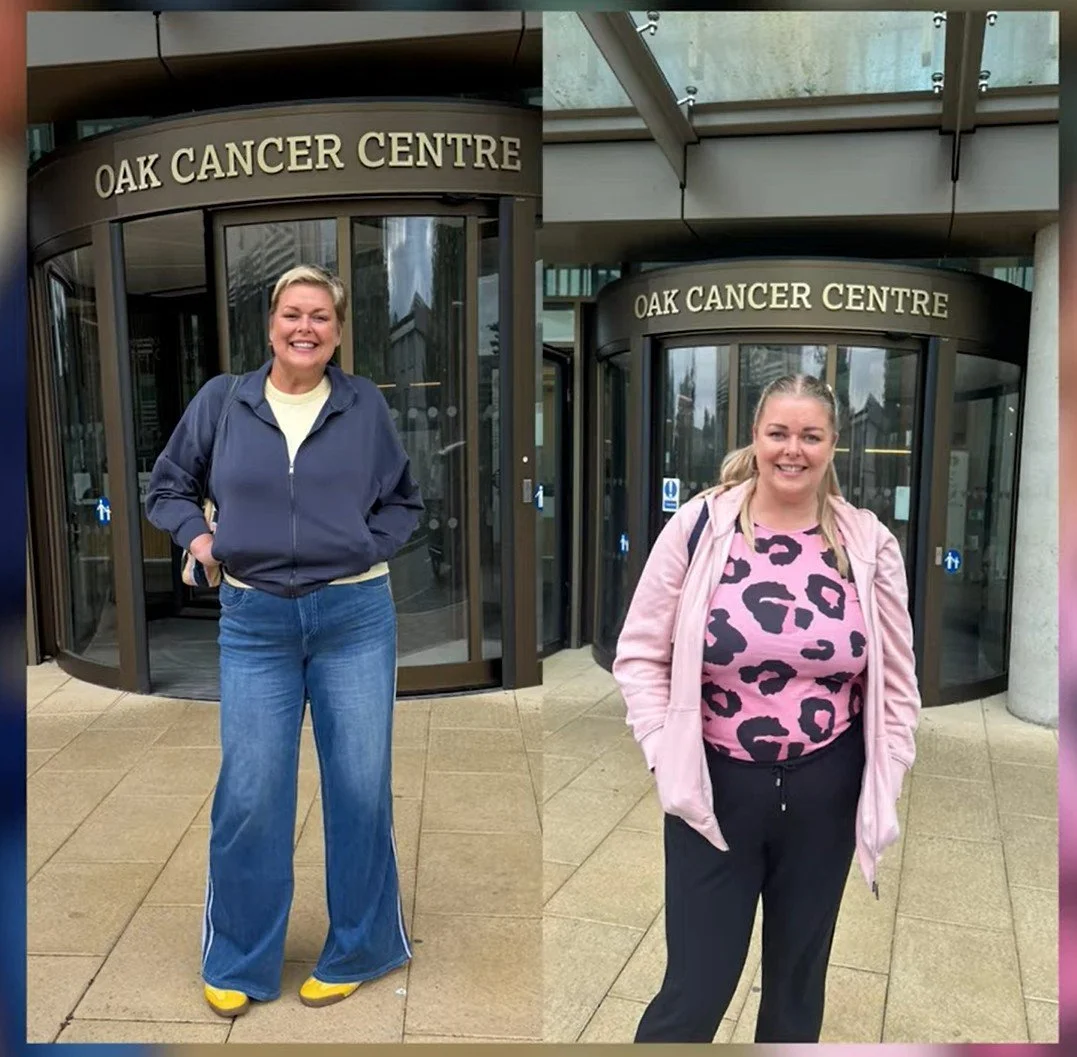
In one of my last blogs, I wrote about what I would say if I could go back and hold the hand of the version of myself who stood outside Maggie’s before her first treatment.
I would say: “You can.”
When you are starting treatment, you do not feel brave enough to think about the end. You cannot imagine being a year on.
If someone had shown me a picture of where I would be a year later, I would have given anything to believe it.
If I ever had the great honour of standing next to someone who had just received that diagnosis, I would hold their hand and say: “You can, and you absolutely will.”
It is not linear. It is a journey you would never wish to be on, and one you will never forget. It changes you forever.
But you can, and you will.
There will be days when you feel like you can’t. Those are the days when you lean on the people around you the most.
One day, you will stand a year on, hold your own hand and say those words to yourself.
Because I have.
Support, purpose and moving forward after TNBC
Charlotte’s story is one person’s experience of triple negative breast cancer, but many people may recognise parts of what she shares: the shock of diagnosis, the fear of waiting for results, the challenge of telling children, the intensity of treatment and its side effects, and the importance of finding purpose and support.
By sharing her story, Charlotte hopes to show that although at times cancer can feel all-consuming, it does not have to take away who you are. Through her family, wider support network, hobbies, exercise and community, she found ways to keep moving forwards, even on the hardest days.
If you have been diagnosed with TNBC, or you are supporting someone who has, The UK Charity for TNBC has information and resources to help you feel more informed and less alone. You can also connect with others through the charity’s online forum, explore other TNBC support resources, or join the Patient Advisory Panel to help drive change in TNBC awareness, treatment and care.